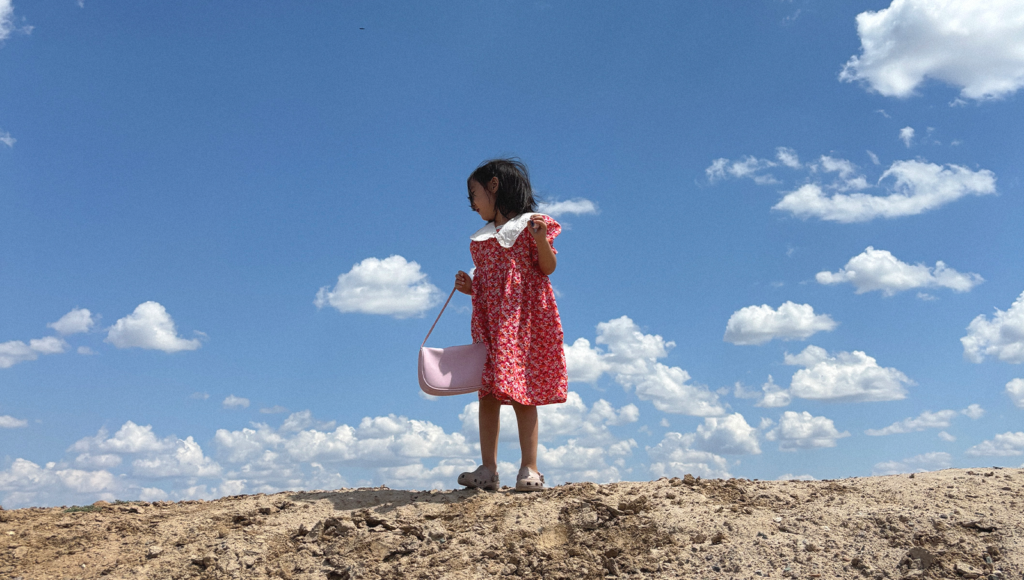
When I was a child, my cousins and I would spend the whole summer in a small Qazaq village, an aul. Our uncle still lives in his house on the edge of that village, with endless steppe stretching behind its windows. It felt like living on the edge of the civilized world.
Every day we would walk for miles across that vast space looking for calves. There was no noise, no artificiality of human constructions. Just ground, occasionally broken by the cracked remains of dried salty puddles. Animal bones. Wind singing in a language we no longer speak.
I love space. Maybe there is something inherited in it, something left by my nomadic ancestors. I feel uncomfortable in narrow streets and overloaded megacities. I need to see far.
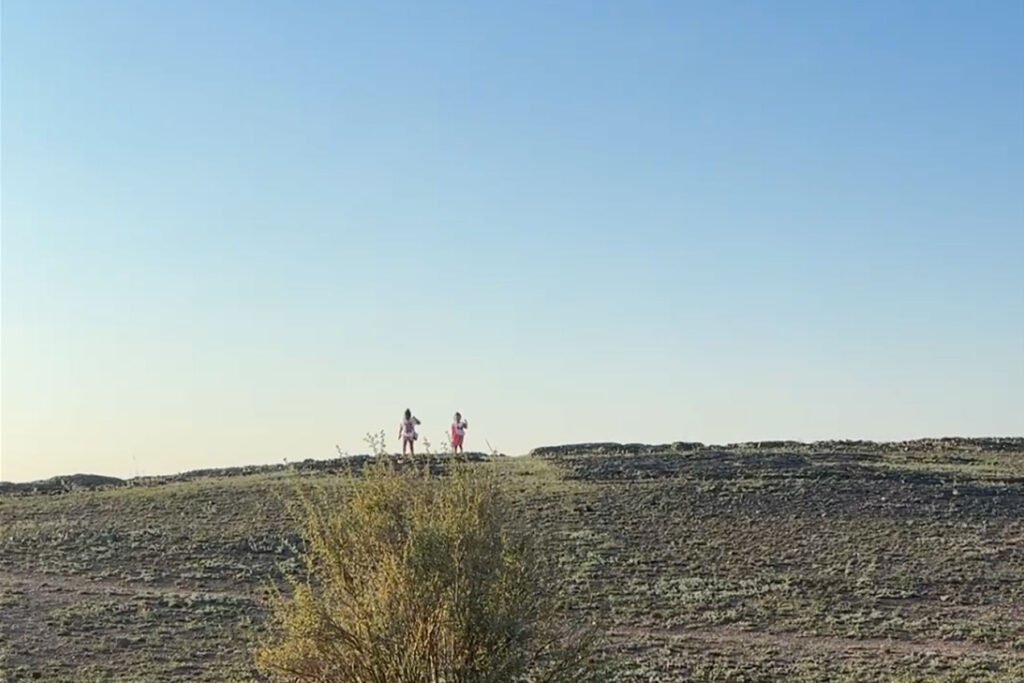
As I grew older, life got in the way of my summers. Between college, work, and starting my own family, thirteen years somehow slipped by without a single trip back to the aul.
Still, the pull never really stopped.
Sometimes it caught me as a sudden ache wrapped in the smell of decaying autumn leaves, or a fleeting chill from an ocean breeze. I’d freeze for a second, notice it, and then shake it off to get back to my day. Someday, I told myself. Eventually.
Recent years of motherhood have been transformative for me. Somewhere inside them, I found myself again. And once I did, it became much harder to ignore that person and her voice.
So I came back.
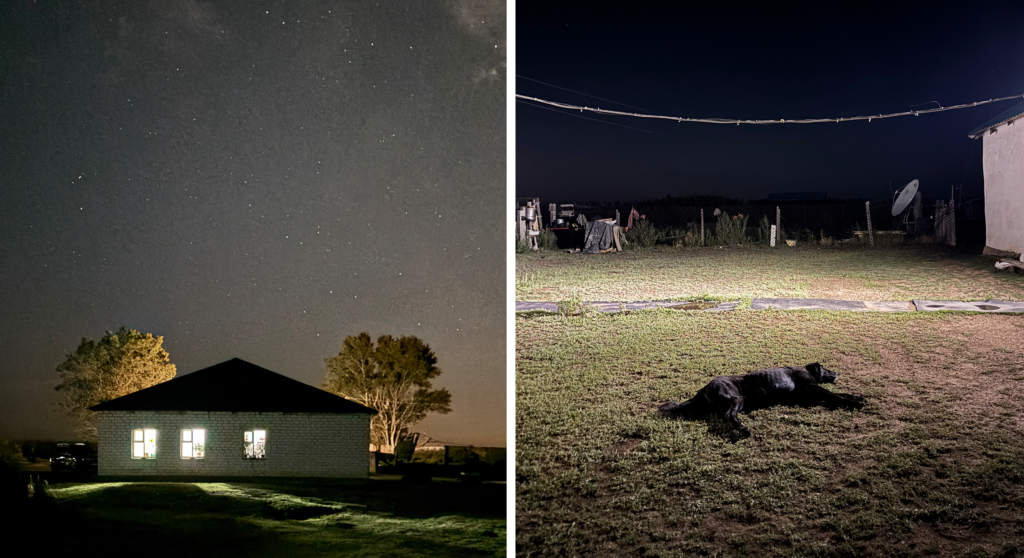
Something I had been holding tightly inside finally released. It felt strangely as though nothing had changed. My uncle and aunt were older, of course, but carried the same vivid energy I remembered. And the steppe was there. The wind was there. The luxurious smell of hundreds of herbs was there. As it had been for thousands and thousands of years.
Its scale and its forever-open embrace are very important to me. The trip charged me. It illuminated something in my mind and added something to the person I am becoming.
I think it is important to know the sources of your energy. Energy is the fuel of life. It becomes kindness, patience, creativity, curiosity. There are the obvious foundations: sleep, nutrition, physical and mental health. Things that need to be cared for, or at least be in the process of being cared for.
Then there are the smaller daily sources. For me, looking nice from early morning genuinely changes the way I move through a difficult day. But I think there is another category.
Certain things are almost like artifacts a hero searches for in a quest. You don’t encounter them every day. They are personal and sometimes difficult to explain to anyone else, but when you find one, it gives you an enormous amount of energy.
This trip was one of mine.
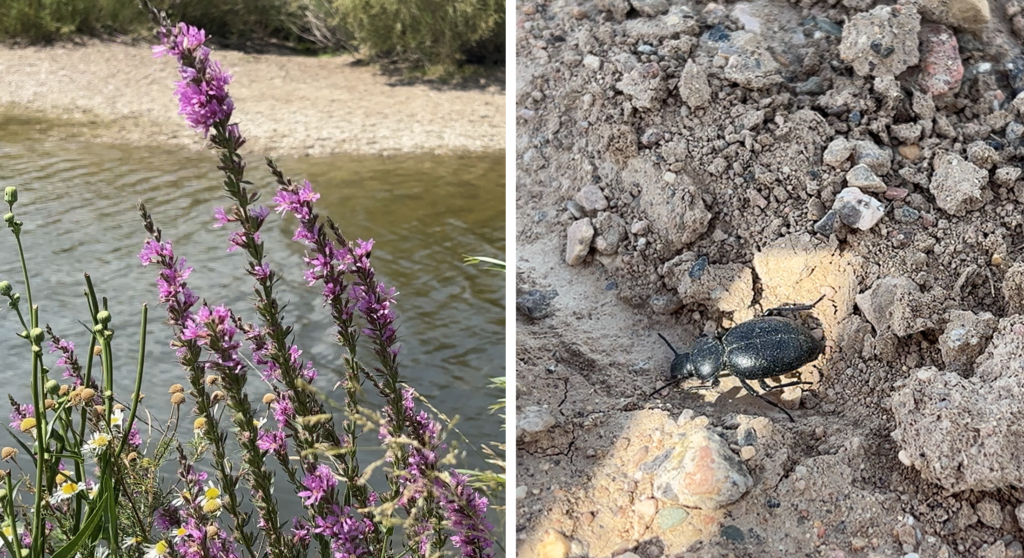
We went to the shallow river where, somehow, we used to swim as children. There were still bird nests in the ground along the shore. The algae and the smell of the water felt a little strange to me now. Apparently I have become too sanitized by city life. I collected a few stones and brought them back with me for my studio in Bangkok. I like to think they still hold the warmth of that day.
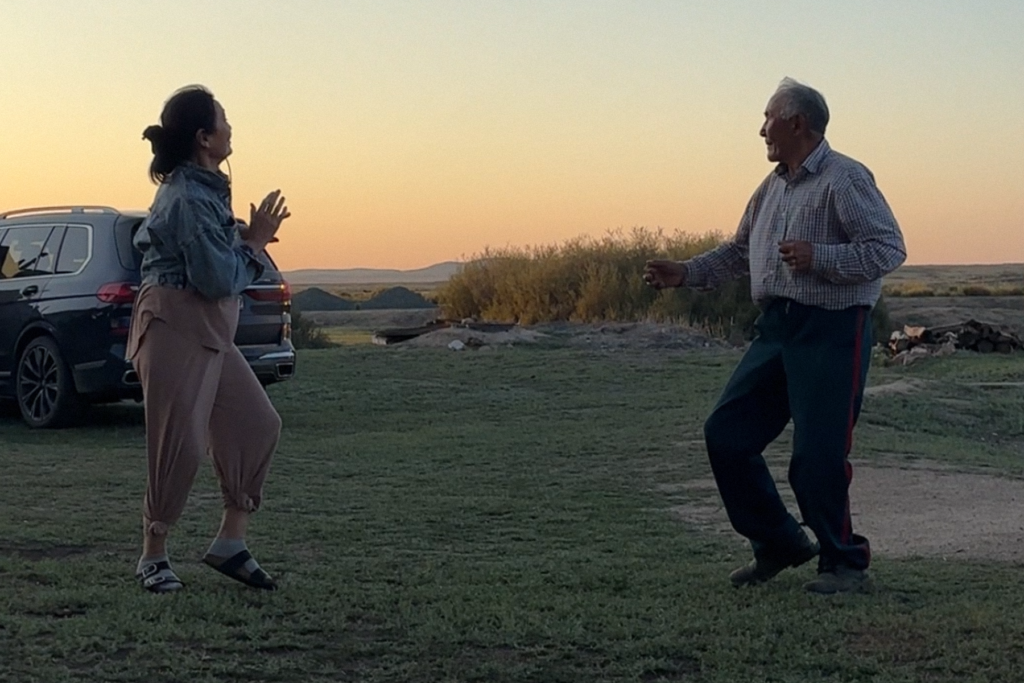
We made barbecue and drank endless cups of tea outside, talking long after sunset. One evening I watched my mother and uncle dancing together. My uncle sometimes forgets things now. He seems the same as before, and yet he isn’t.
Perhaps that was what made those days feel especially precious. They sank into my skin. And somehow they will enter my drawings too.
I don’t think inspiration needs to be chased very much. Inspiration comes through work. But work requires energy, and that energy has to come from somewhere. Maybe this is why knowing what makes us feel deeply alive matters to creative work more than we realize.
We return to the same idea again: art is art. It is the handwriting of the soul. And a soul records things.
A childhood landscape. The smell of herbs. An aging uncle dancing with his sister. A river that became smaller while you were away. A few warm stones carried thousands of kilometres home.
Human beings are extraordinarily sensitive creatures. We absorb places, people, losses, distances, weather, beauty. Even when we think we are simply living, something inside us is paying attention.
And sooner or later, the hand remembers.